8 Calming Bedroom Ideas for Deeper, Better Sleep

Usman
UsmanJuly 23, 2026
8 Calming Bedroom Ideas for Deeper, Better Sleep

Most bedrooms accidentally work against sleep: overhead lights that blast the ceiling at 10pm, high-contrast colours that keep the eye scanning, screens glowing on every surface. If you fall into bed tired but lie there wired, the room itself is often the reason.

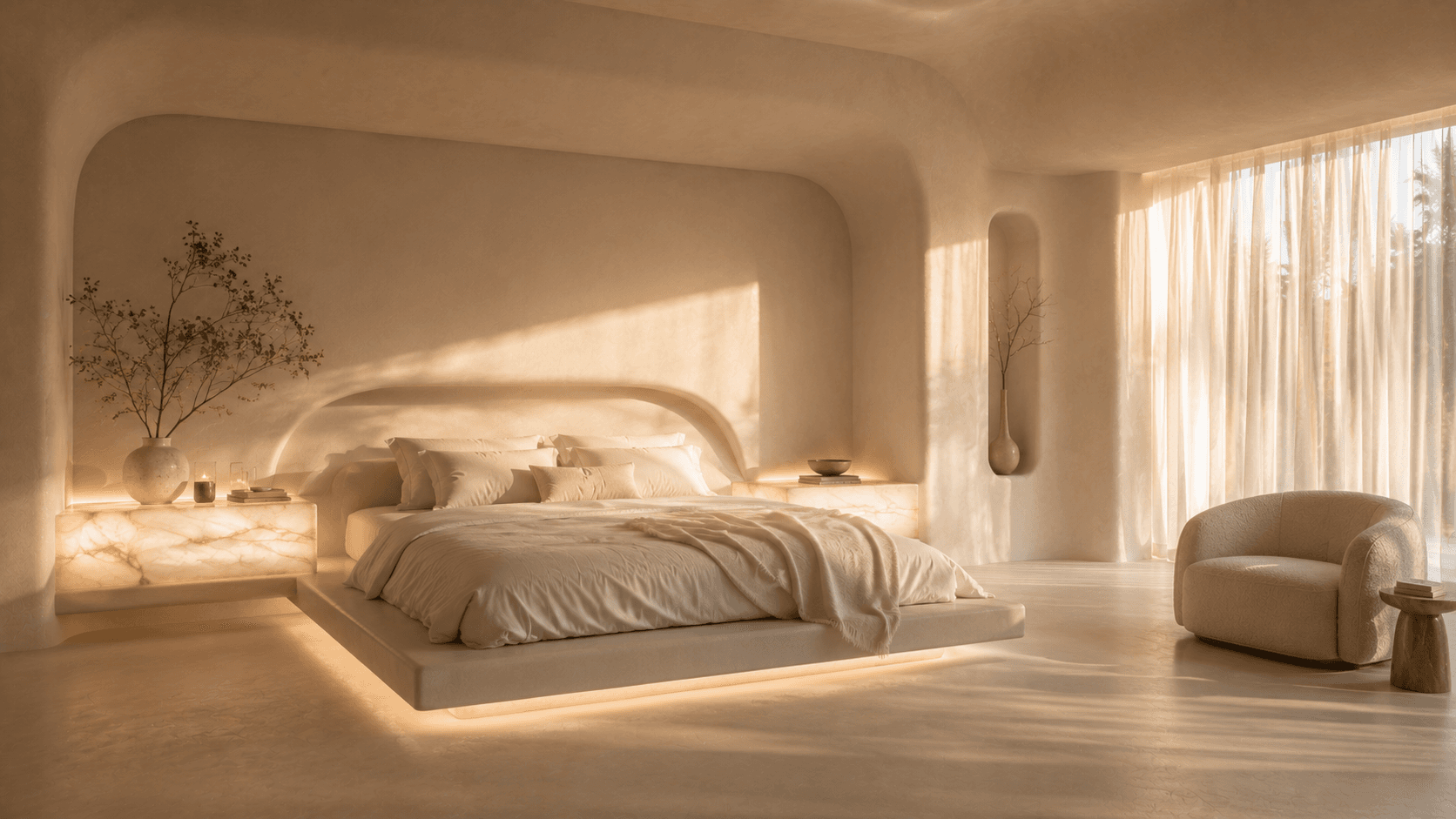
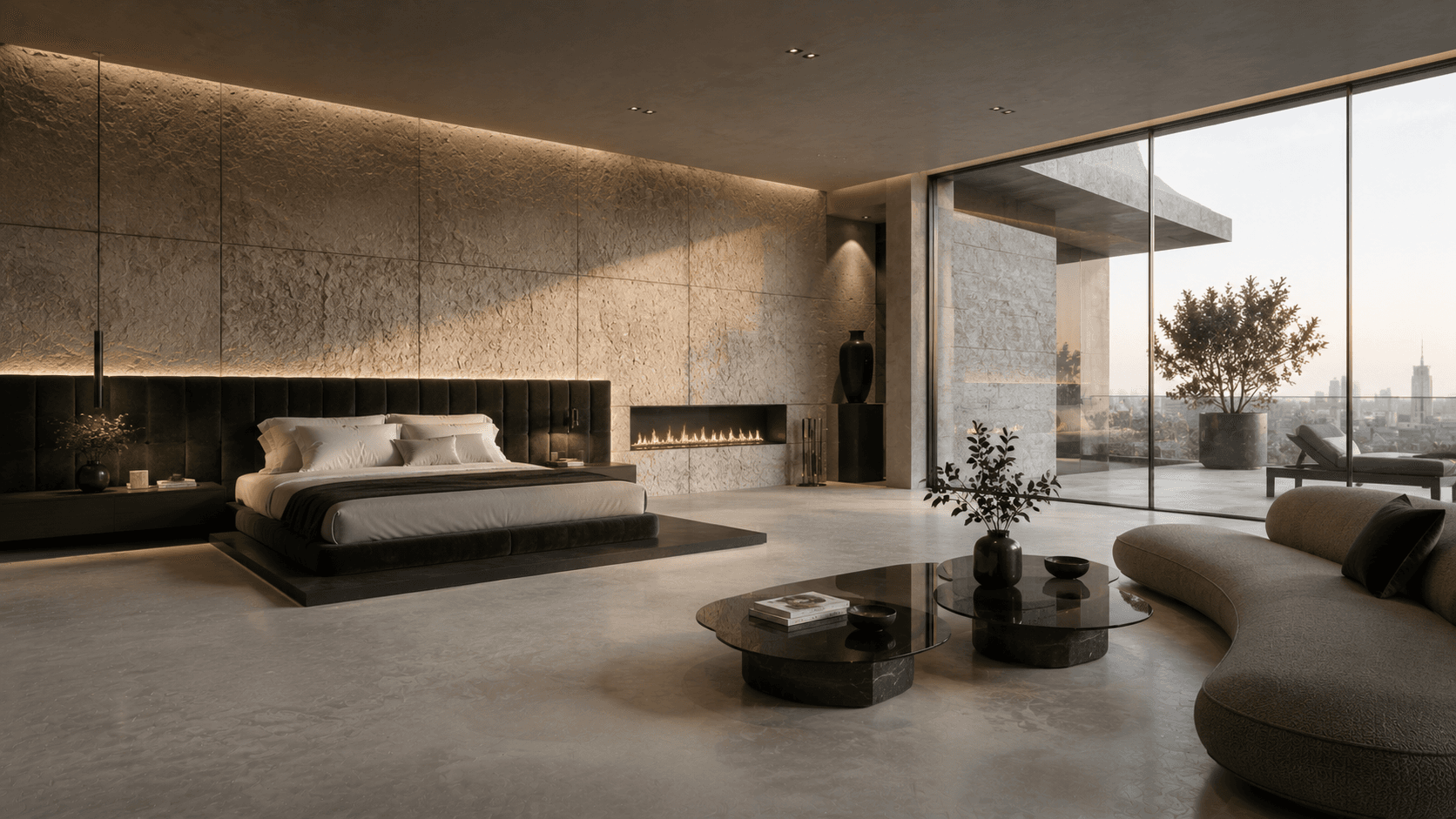
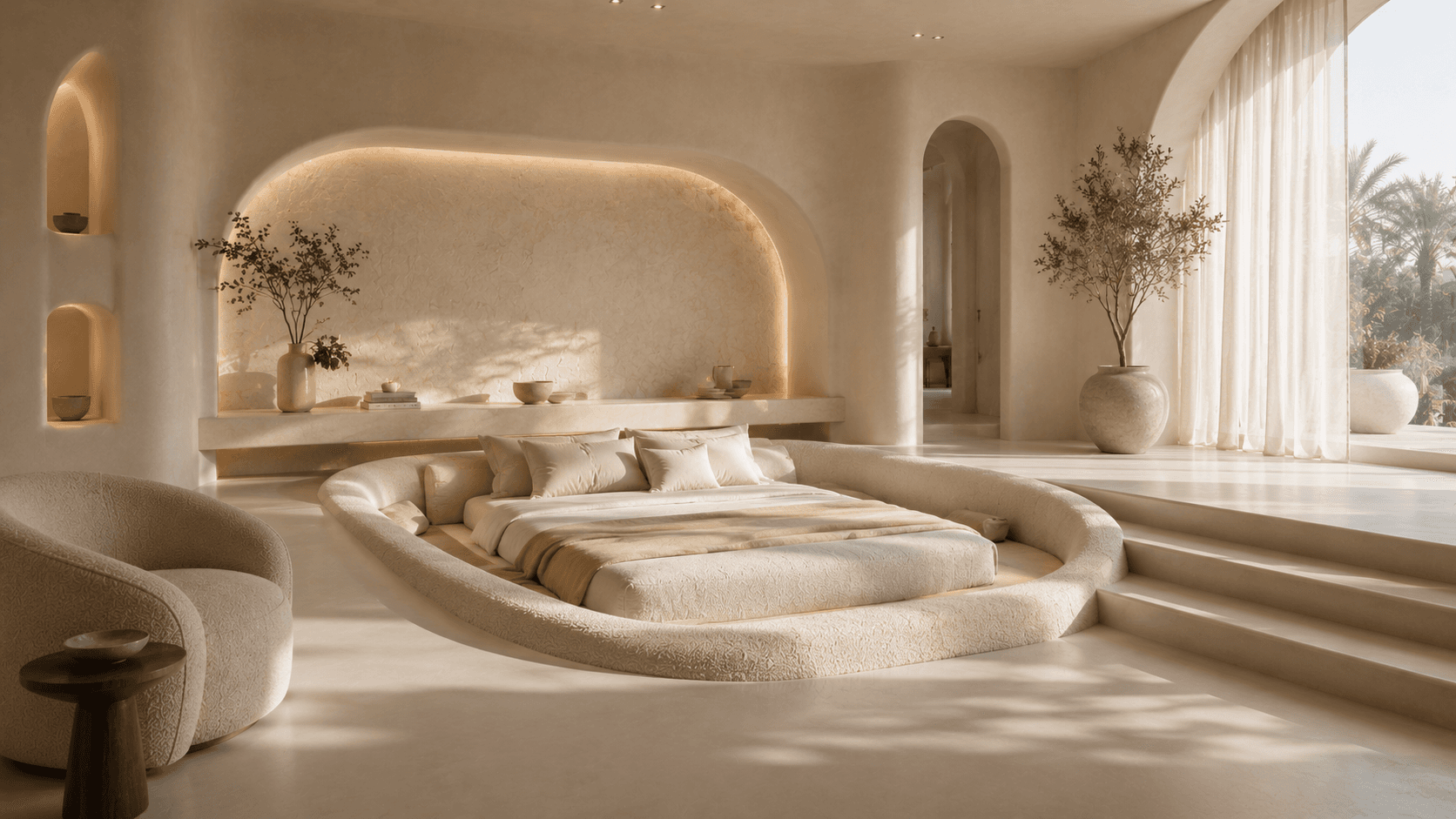
These eight calming bedroom ideas take the opposite approach, built on the trio I trust most — muted low-contrast palettes, warm light from coves and lamps instead of the ceiling, and natural textures that slow the eye down. Some are minimalist, some cottage-cosy, but every one made me exhale on first look, and each opens into its full step-by-step design.
1.A Sage Green Pastel Bedroom That Whispers Calm

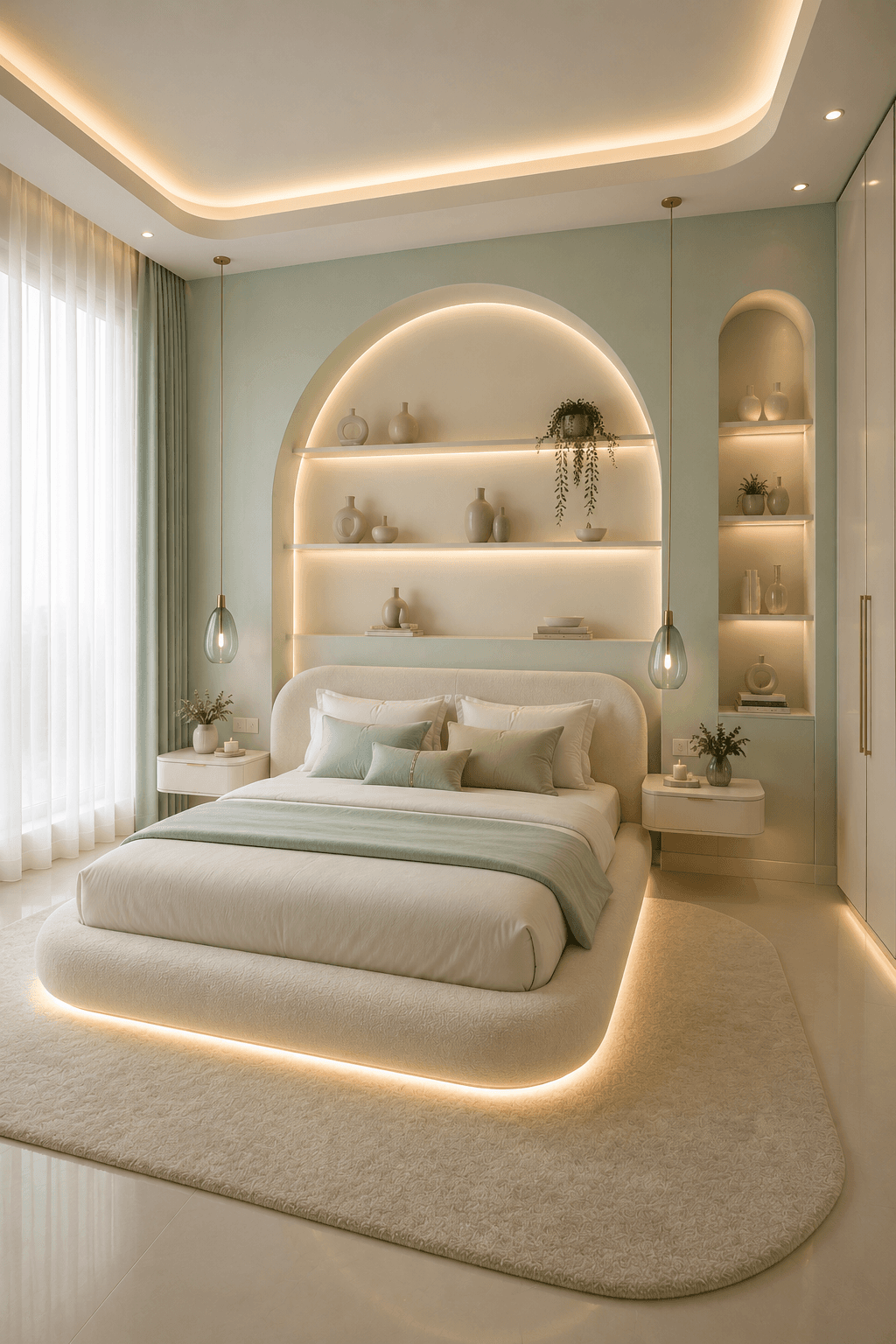
The gentlest room on this list — sage walls, pastel layers and nothing shouting. It proves that a calming bedroom is mostly a colour discipline: everything sits within two shades of everything else, so the eye has nowhere to snag.

A Sage Green Pastel Bedroom That Whispers Calm

2.An Earthy Platform-Bed Bedroom with an Indoor Olive Tree

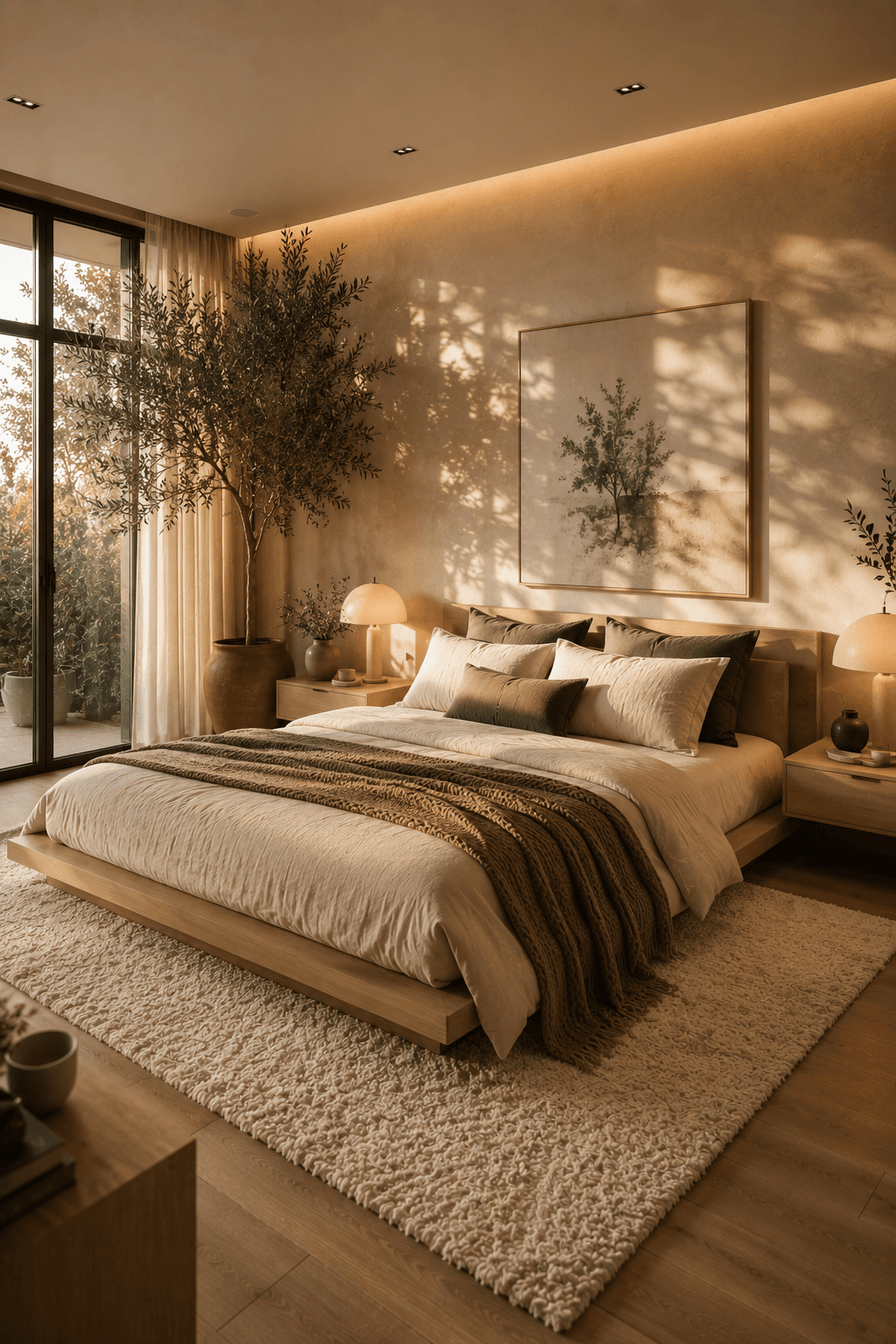
A low platform bed makes any ceiling feel higher, and the indoor olive tree gives the room one living, moving focal point. This is the Japandi formula for people who find pure minimalism cold — warm wood and clay keep it human.

An Earthy Platform-Bed Bedroom with an Indoor Olive Tree

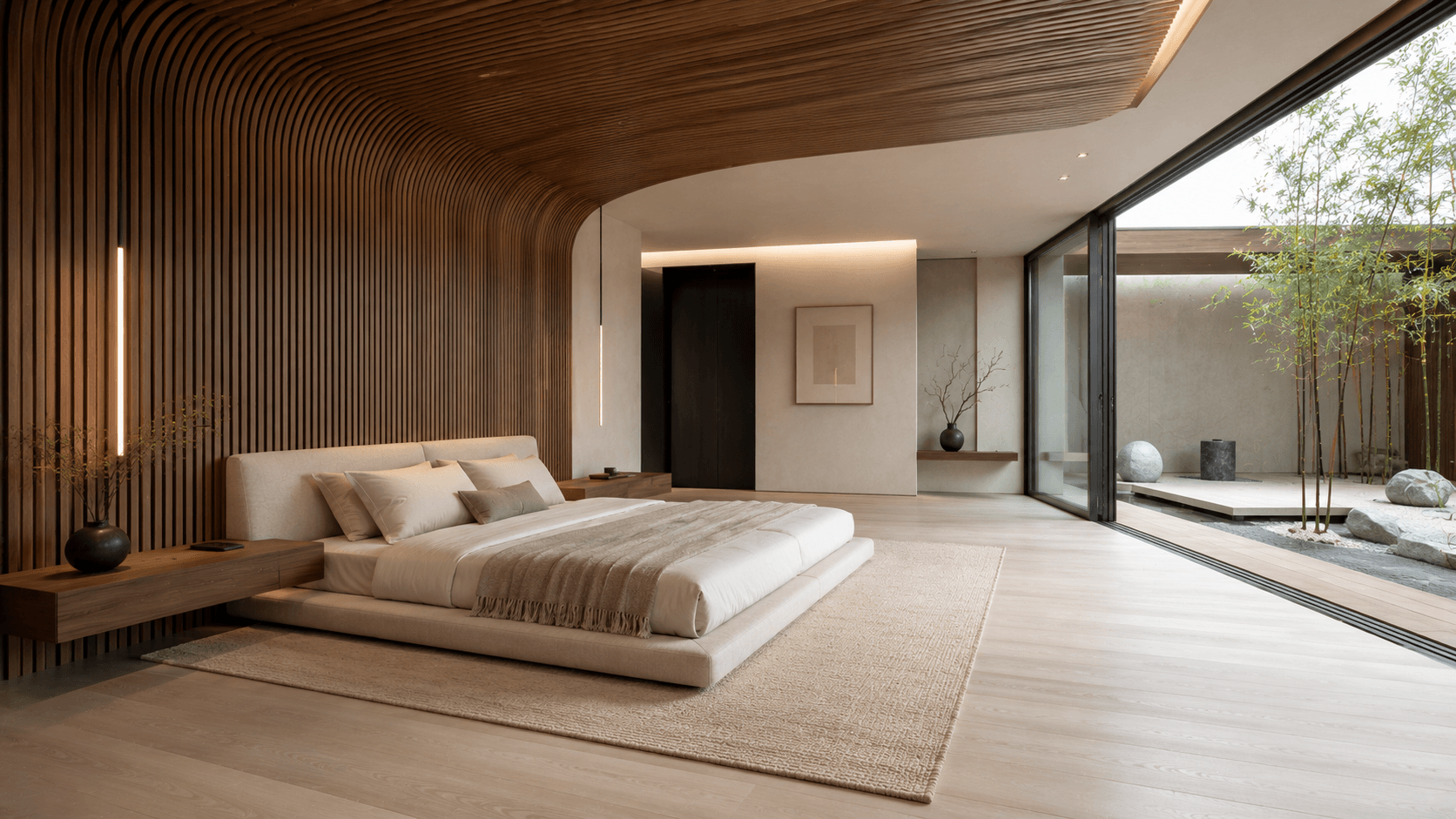
3.A Japandi Bedroom with a Wood Slat Accent Wall

The slat wall does quiet work here: vertical rhythm that reads as texture, not pattern, behind a bed dressed in undyed linen. It's the one architectural move in this list that never dates — and it hides cables and wall imperfections as a bonus.

A Japandi Bedroom with a Wood Slat Accent Wall

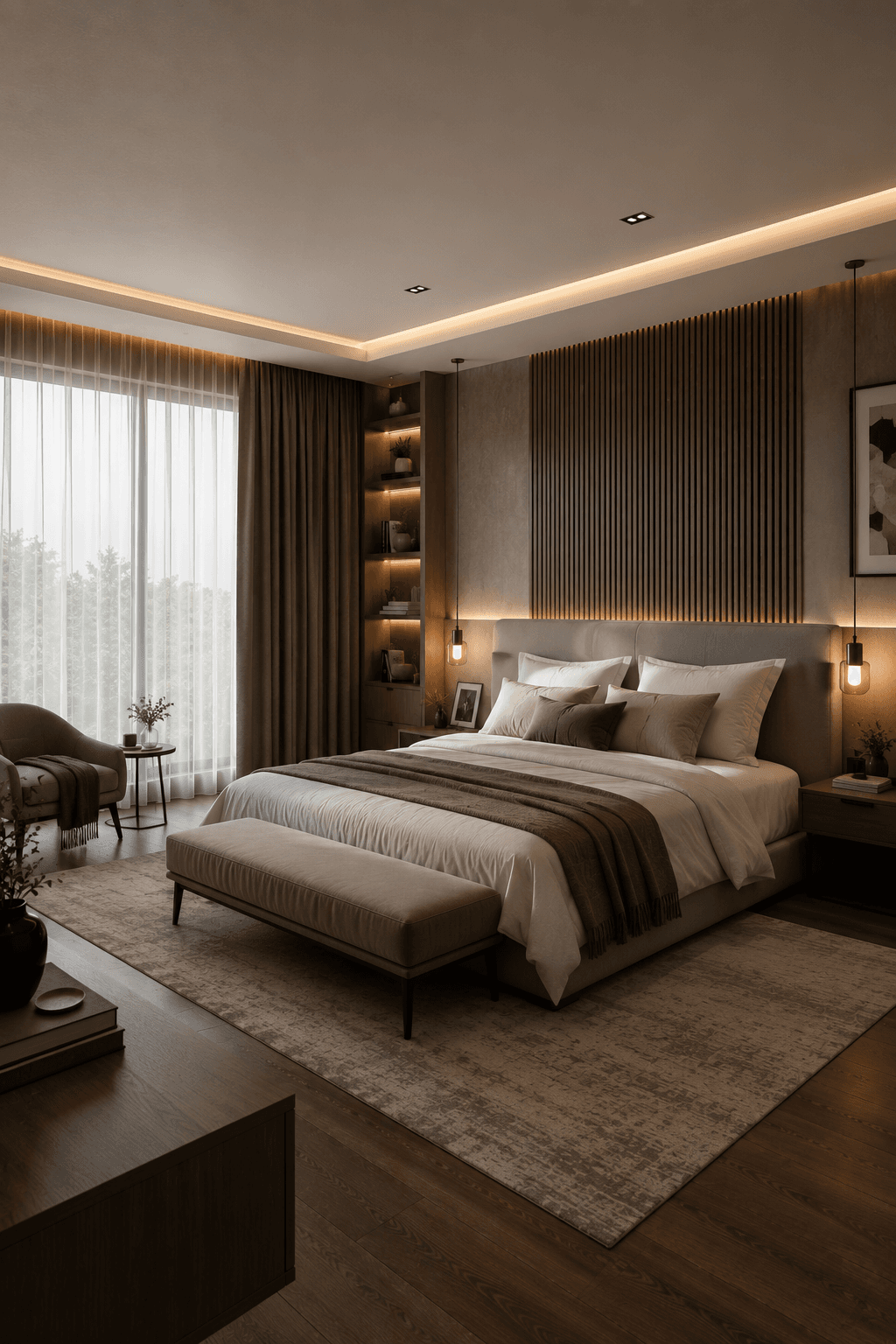
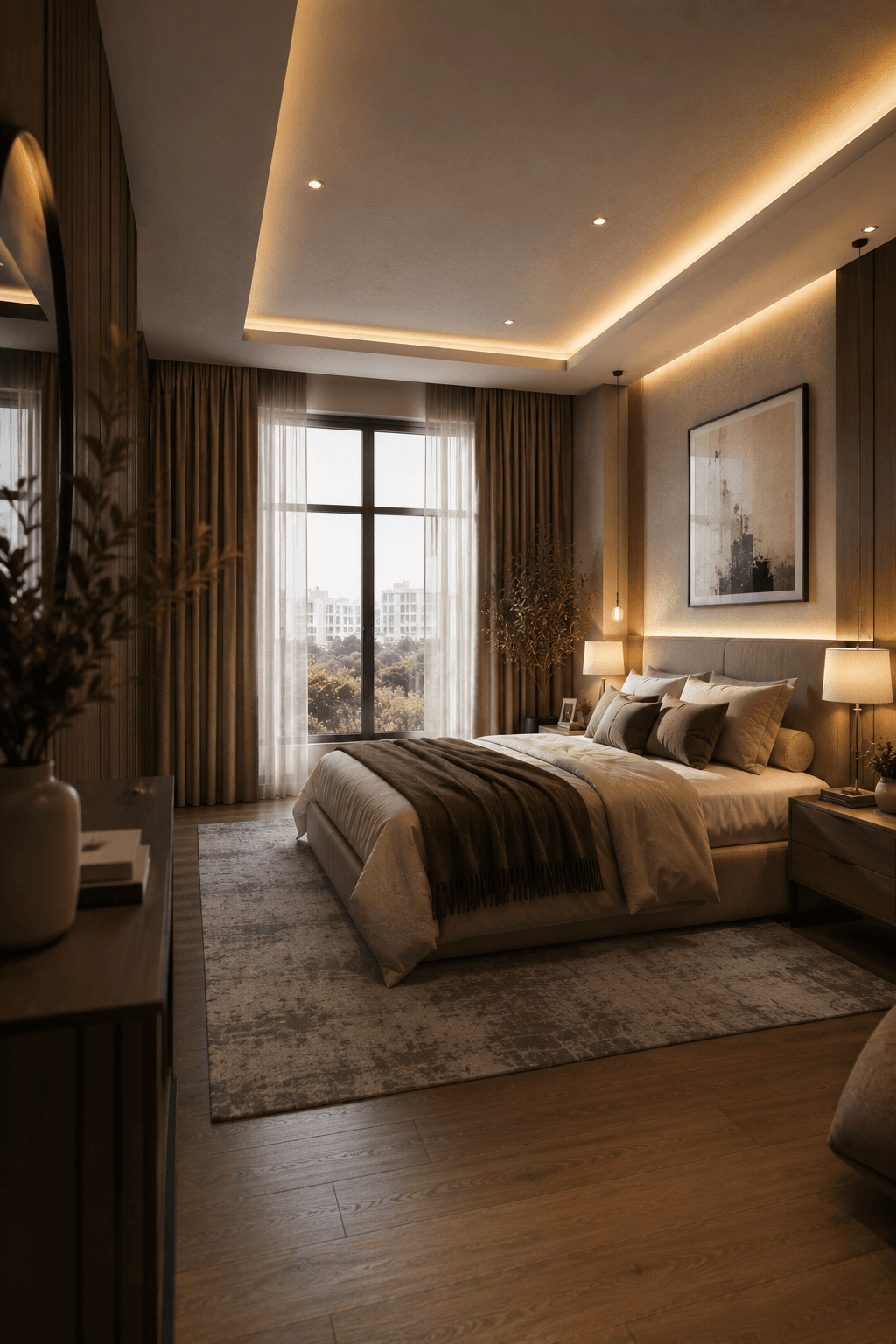
4.A Warm Modern Bedroom Wrapped in Cove Lighting

The masterclass in sleep-friendly lighting — the ceiling fixture is gone entirely, replaced by warm coves that wash the walls from hidden channels. Copy the lighting plan alone and any bedroom instantly feels two notches softer.

A Warm Modern Bedroom Wrapped in Cove Lighting

5.A Cozy Cottage Bedroom with a Crackling Fireplace

A crackling fireplace is the oldest sleep aid in design history: flickering warm light, low in the room, exactly where evening light should be. Everything else — quilts, timber, deep chairs — just supports that glow.

A Cozy Cottage Bedroom with a Crackling Fireplace

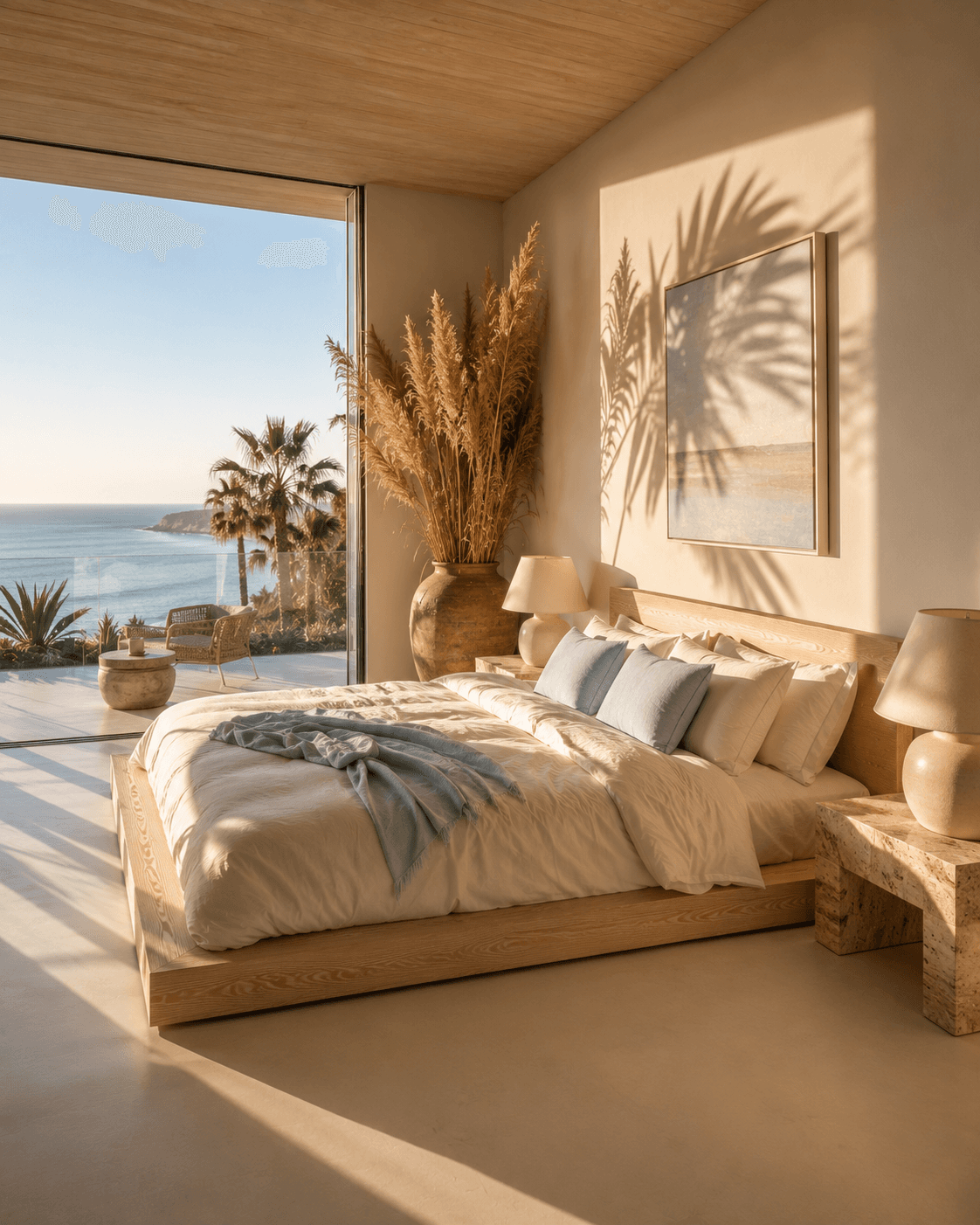
6.A Breezy Coastal Bedroom with Floor-to-Ceiling Ocean Views

Even without an ocean outside your window, this room's lesson travels: keep the palette to sky and sand, let the curtains be sheer, and point the bed at the biggest source of natural light you have.

A Breezy Coastal Bedroom with Floor-to-Ceiling Ocean Views

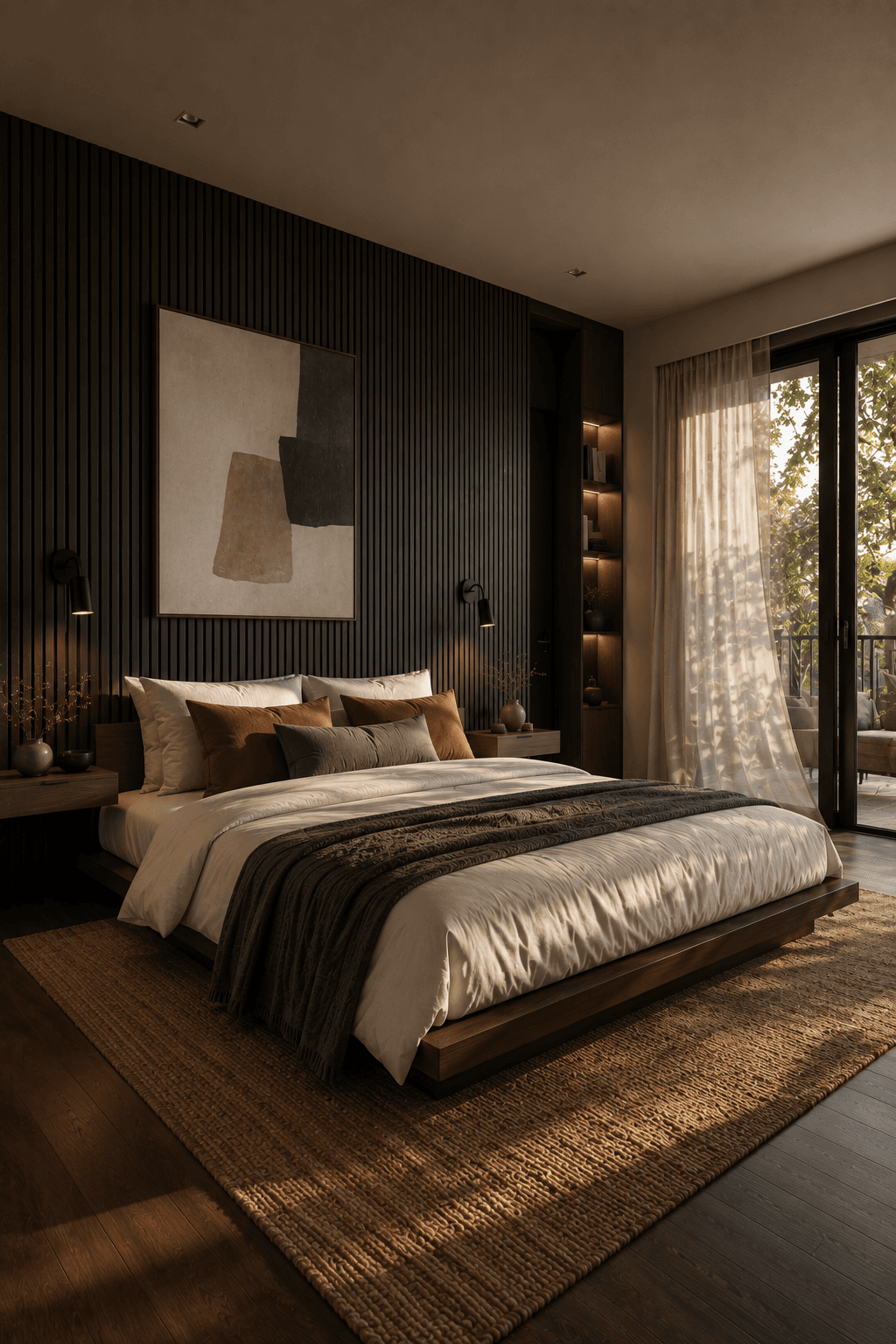
7.A Dark Slat-Wall Bedroom Warmed by Rust and Olive

Proof that calming doesn't mean pale. The dark slat wall wraps the bed like dusk, while rust and olive keep it warm instead of stark — the version of moody that helps you power down rather than pose.

A Dark Slat-Wall Bedroom Warmed by Rust and Olive

8.A Mid-Century Bedroom with a Glowing Arched Wall

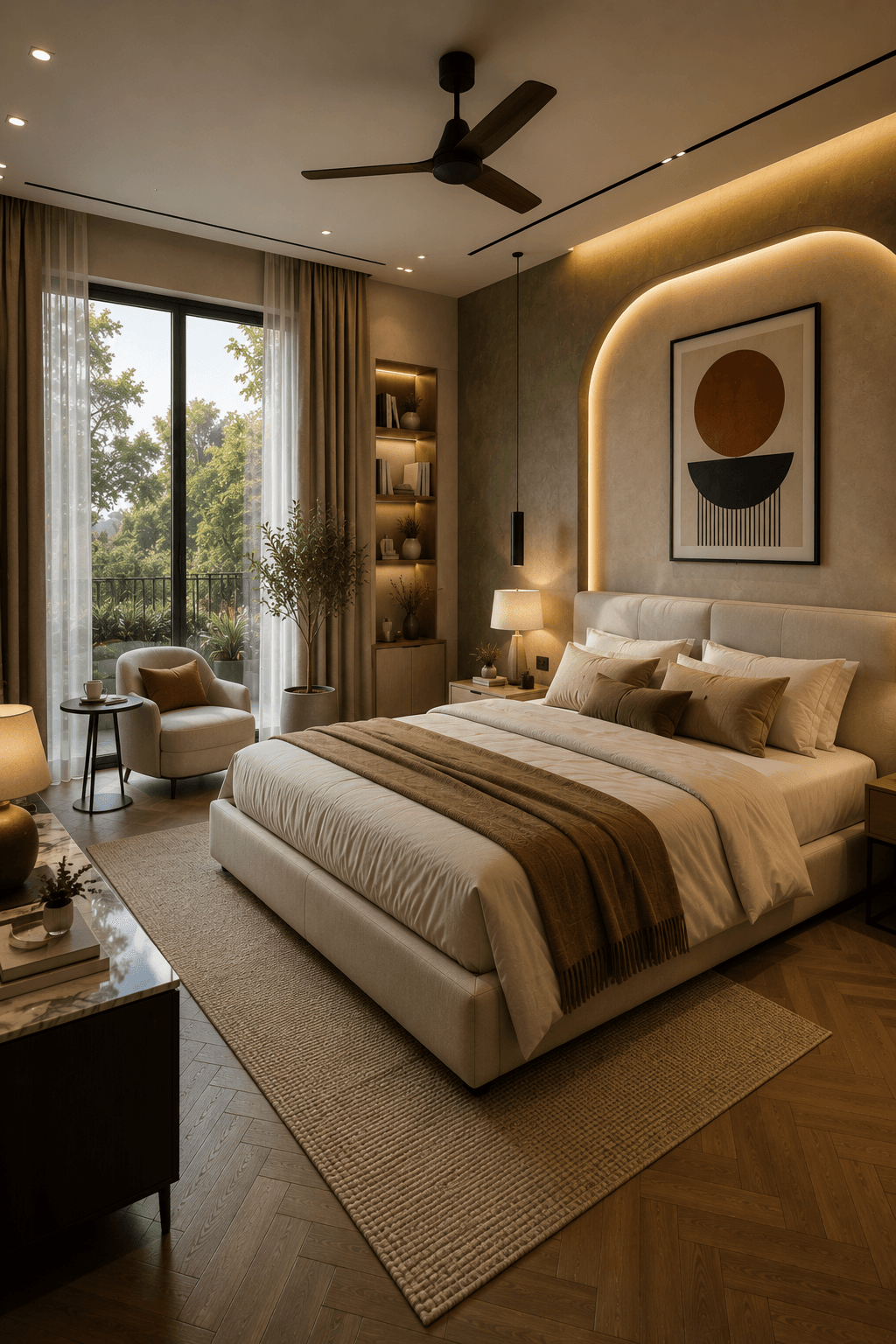
The backlit arch behaves like a permanent sunset — a soft gradient of light exactly where your eye lands last before sleep. Paired with a whisper-quiet fan for airflow, it's the most complete wind-down room of the eight.

A Mid-Century Bedroom with a Glowing Arched Wall

How to turn your own bedroom into a sleep sanctuary

Across all eight rooms, the same three decisions keep repeating — make them in this order and the character of the room changes in a weekend.

First, kill the contrast. Pick one muted base colour and keep walls, bedding and window treatments within two shades of it. High contrast is visual caffeine; low contrast is the fastest, cheapest calming move there is.

Second, move light below eye level. After sunset, nothing overhead: cove strips, lamps and sconces at 2200–2700K on dimmers. If you change only one habit from this article, make it this one — it is the difference between a bedroom that says evening and one that says office.

Third, add one natural anchor. A wood slat wall, a linen canopy, an olive tree — a single organic texture the eye can rest on. Not five accessories; one anchor.

Then open whichever design above matched your instinct — the full guides break each room into needs, steps, budget tiers and the exact palette, so the version you build is the version you saw.

Frequently AskedQuestions

Muted, low-contrast colours with grey or earth undertones: sage green, warm white, oat, soft olive and dusty clay. The rule that matters more than any single colour is low contrast — when walls, bedding and curtains sit close in tone, the eye stops scanning and the room reads as quiet.

Layered warm light below eye level: cove or LED strip glow, bedside lamps at 2200–2700K, and dimmers on everything. Avoid using the ceiling fixture after sunset — light from above at night reads as daytime to your body clock and delays melatonin.

Yes, visually more than chemically. Large-leaf greenery like an olive tree or monstera softens hard lines and gives the eye an organic resting point, which lowers the room's perceived stimulation. One statement plant beats five small ones.

Three moves under a few hundred dollars: repaint in one muted low-contrast colour, swap the ceiling-light habit for two warm dimmable lamps, and unify bedding into a single tonal family. Every design in this list includes a Budget tier showing exactly this approach.

Get the look

Room Designsto Steal

Share thisPin itFacebookX

Join the conversation

Share your thoughts on this room.